The Energy Transition Is Moving Forward, but Fossil Fuels Still Matter
Global Markets
Clean energy investment is at an all-time high, yet fossil fuels still supply most of the world’s energy. Oil, gas, and coal remain deeply tied to electricity generation, freight transport, manufacturing, and basic economic activity in almost every region.
This dominance is not just resistance to change. It reflects how energy systems are built, how fast demand is growing, and how countries manage cost and reliability. Even aggressive clean energy growth often adds capacity rather than replacing what already exists.
The Scale of Global Energy Demand Keeps Growing
Global energy demand is still rising faster than clean energy can fully replace existing supply. The International Energy Agency reported in its Global Energy Review 2025 that total primary energy demand reached roughly 650 exajoules in 2024, the highest level on record.
Most of this growth comes from population expansion, urban development, and industrial activity across Asia, Africa, and the Middle East. Electricity demand growth has remained elevated since 2024, driven by cooling needs, electric vehicles, manufacturing, and data centers.
Developing economies account for more than 80 percent of new energy demand each year. These regions are building housing, transport systems, factories, and digital infrastructure at the same time. Clean energy capacity is expanding quickly, but much of it is absorbed by new demand rather than replacing existing fossil fuel use.
Fossil fuels also respond faster when demand spikes. During heatwaves, cold winters, or sudden economic rebounds, gas and coal plants can increase output almost immediately. Solar and wind projects take years to permit, build, and connect, while grid-scale storage remains limited in many countries.
As a result, fossil fuels continue to supply roughly 60 percent of global electricity, even as renewables reach record levels. Growth does not automatically mean displacement.

Existing Energy Infrastructure Locks In Fossil Fuels
Energy infrastructure is built to last. Power plants, pipelines, refineries, and shipping fleets constructed in the 1980s, 1990s, and early 2000s are still operating today, many with decades of technical life remaining.
Most fossil fuel assets are designed for 30 to 50 years of operation. Retiring them early can trigger large financial losses, job disruptions, and higher energy prices. The World Bank has consistently identified stranded assets as a major barrier to faster energy transitions, especially in emerging markets.
At the same time, new fossil infrastructure is still being added. Gas plants, LNG terminals, and industrial coal facilities continue to move forward in regions prioritizing industrial growth, grid stability, or energy security, extending the lifespan of fossil-based systems.
There is also a system problem. Power grids, fuel supply chains, and industrial processes were optimized around fossil energy. Replacing them requires grid upgrades, storage capacity, skilled labor, and regulatory coordination, not just more solar panels or wind turbines.
Energy Security Remains a Core Driver
Reliability remains a central reason fossil fuels persist. Governments value fuels that can be stored, transported, and dispatched on demand. Since recent global supply disruptions, energy security has become a dominant planning priority, often outweighing climate considerations in the short term.
In the United States, new gas capacity continues to be proposed to support data centers and grid stability. In parts of Asia, coal remains a backup for fast-growing electricity systems where outages carry high economic risk.
A more practical transition approach focuses on where replacement is easiest first. Electrifying short-haul transport, improving building efficiency, and modernizing grids often deliver faster emissions cuts than attempting to transform heavy industry all at once.
The clean energy transition is real, but it is unfolding on top of a growing energy system, not a shrinking one. Until demand growth slows and old infrastructure turns over faster, fossil fuels will remain a significant part of the global energy mix.
Fossil Fuels Still Offer Cost and Reliability Advantages
In many parts of the world, fossil fuels remain cheaper at the system level. This is not only about fuel prices, but about existing infrastructure, subsidies, and operating experience built up over decades.
According to the International Monetary Fund’s Energy Subsidies Update 2023, global fossil fuel subsidies exceeded $7 trillion. While some countries have started subsidy reforms since then, overall support levels remain high, continuing to lower the real cost of coal, oil, and gas.
Coal and gas power plants are also dependable. They can run day and night, regardless of weather. For industries that need steady electricity or constant heat, reliability often matters more than marginal cost differences.
While the cost of solar and wind power has fallen sharply, the cost of storage and backup has not dropped at the same pace. Large batteries, grid upgrades, and reserve capacity add significant expense, especially in fast-growing economies.
For many grids, fossil fuels still act as the backbone that keeps power stable when renewable output fluctuates.

Renewables Face Integration and Grid Challenges
Building renewable capacity is only part of the transition. Integrating it into existing power systems is often harder.
Most power grids were designed around large, centralized fossil fuel plants. They were not built to manage variable output from thousands of solar or wind installations.
The IEA’s Electricity Grids and Secure Energy Transitions report shows that global grid investment needs to roughly double by 2030 to support rising renewable shares. Progress has been uneven across regions.
Until transmission lines, storage, and grid management systems catch up, fossil fuels continue to play a stabilizing role. In practice, many countries add renewables without retiring existing fossil plants.
This leads to cleaner growth, but not immediate replacement.
Industrial Sectors Still Depend on Fossil Fuels
Heavy industries remain difficult to decarbonize. Cement, steel, aviation, shipping, and chemicals rely on high-temperature heat and dense energy sources.
The IEA’s Net Zero Roadmap shows that over 70 percent of industrial energy use still comes from fossil fuels, a figure that has only changed gradually.
In aviation and shipping, fuel weight and energy density matter. Batteries are not yet practical for long-distance routes, leaving oil-based fuels dominant.
As long as industrial demand continues to grow faster than clean alternatives scale, fossil fuels remain embedded in global supply chains.
Financing and Policy Gaps Slow the Transition
Clean energy investment is rising, but fossil fuel investment remains significant. The IEA’s World Energy Investment 2024 report showed that over $1 trillion per year still flows into fossil fuel supply.
Fossil projects benefit from familiar financing models, predictable cash flows, and long-standing government support. Investors understand the risks and returns.
In contrast, renewable projects often face policy uncertainty, permitting delays, and unclear long-term rules. In many countries, grid access and pricing structures remain unresolved.
Without stable policy signals, investors hesitate. Fossil fuels, for better or worse, still offer clearer economics in many markets.
Energy Access Needs in Emerging Economies
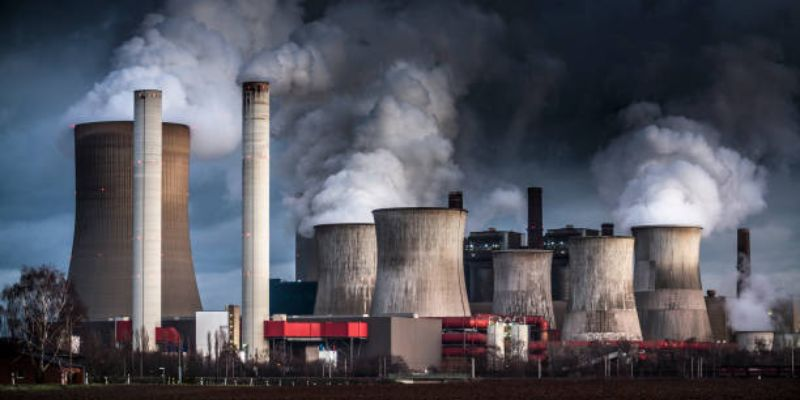
Hundreds of millions of people still live without reliable electricity. According to the World Bank and the International Energy Agency’s Tracking SDG7: Energy Progress Report 2023, about 675 million people worldwide lacked access to electricity, mainly in Sub-Saharan Africa and South Asia.
For many emerging economies, fossil fuels remain the fastest way to close this gap. Coal and gas plants can deliver large amounts of power quickly, support factories, hospitals, and schools, and create jobs along the supply chain.
Renewable solutions can work, especially for rural or off-grid areas. But large-scale deployment usually requires upfront capital, stable grids, trained technicians, and long planning cycles. Until these basics are in place, fossil fuels remain a practical option for meeting urgent energy needs.
What This Means for the Energy Transition Ahead
Fossil fuels dominate global energy not because clean alternatives failed, but because energy systems are complex and slow to change. Infrastructure, cost pressure, industrial demand, and energy security all reinforce their role.
Progress depends on tackling these limits directly. Grid upgrades, cheaper storage, better financing tools, and targeted support for emerging economies matter more than headline capacity targets.
One practical lesson is sequencing. Expanding renewables works best when it follows grid readiness and local demand, not when it tries to leap ahead of them. The energy transition moves faster when it fits real economic conditions, not when it assumes a one-size-fits-all path.
Share this article:
Recommended For You





Most Viewed


ADVERTISEMENT